
ADVISORY BOARD
-
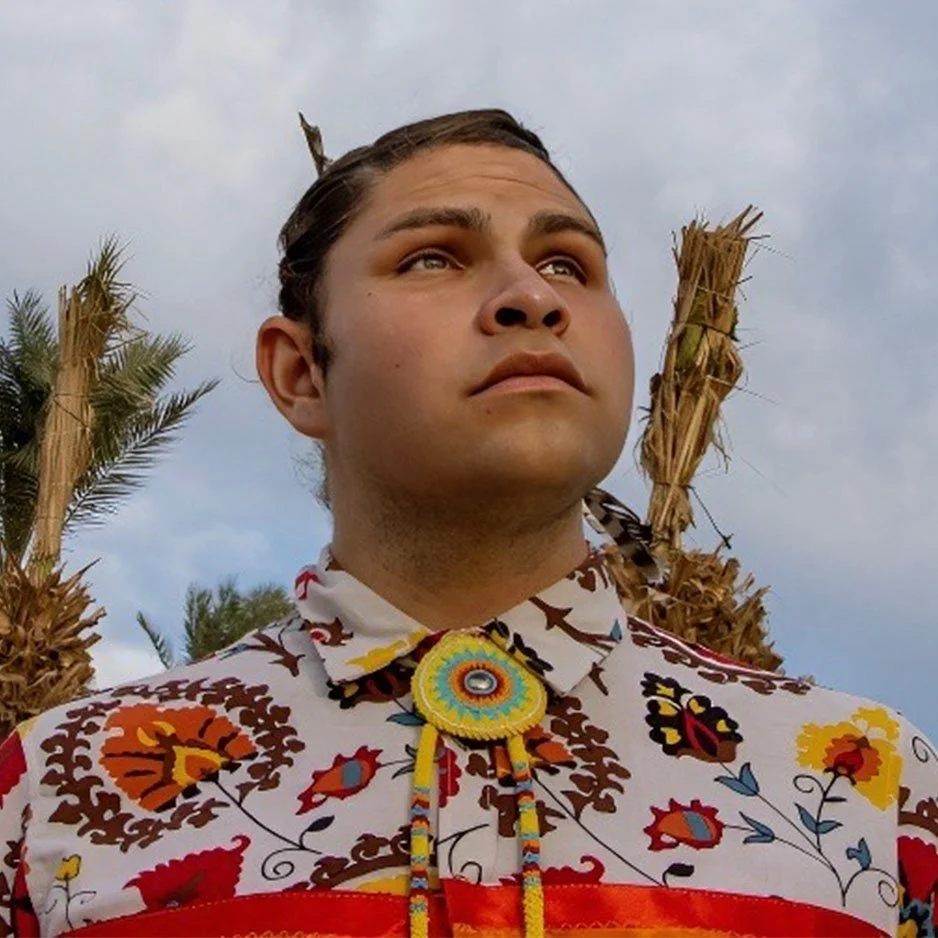
Big Wind Carpenter
Advisory Board Member
Big Wind is a Two Spirit member of the Northern Arapaho tribe from the Wind River Reservation. At a young age, Big Wind recognized many injustices and degrees of oppression within their community. They became involved in youth and climate leadership at the age of 13 when they learned of environmental racism happening near their home. Since then, they have worked on numerous campaigns throughout “Indian Country” and currently is the Tribal Advocacy Associate for the Indigenous Land Alliance of Wyoming.
What Does Solidarity Mean to You? “Solidarity is a concept that embodies unity and support. It can involve mutual aid and reciprocity, which many cultures consider laws of nature. When solidarity happens, especially cross-community, it can be transformational for those involved."
-
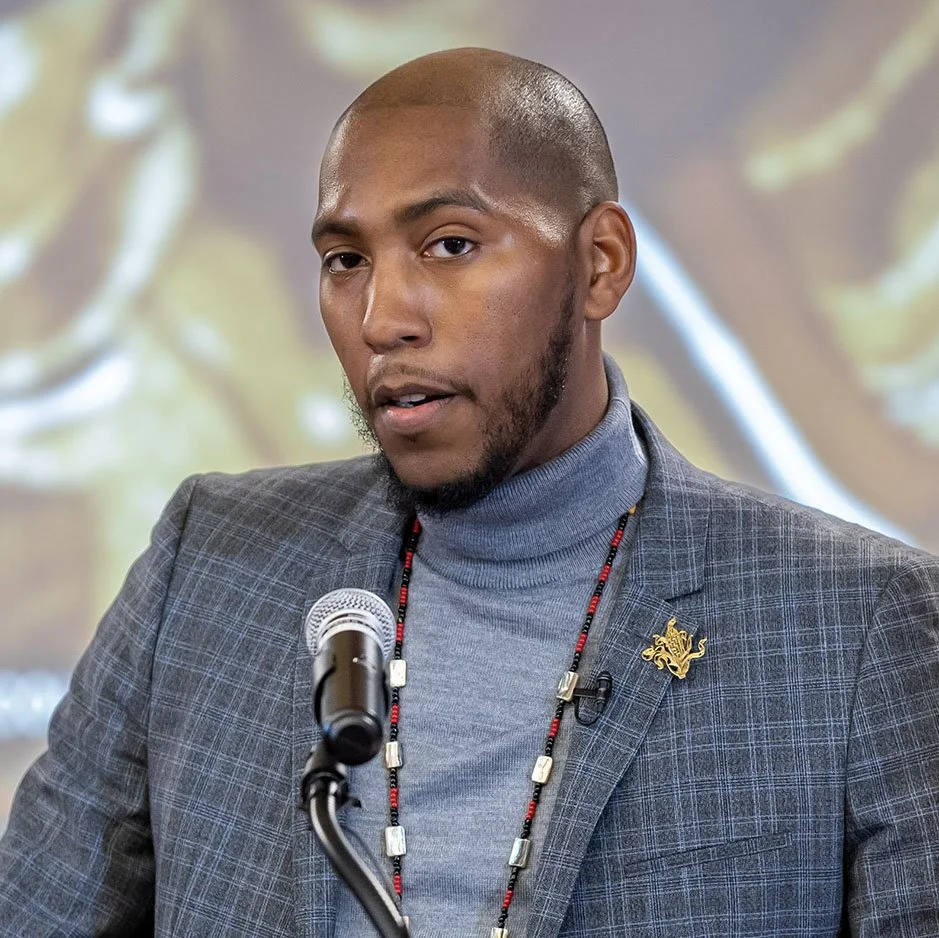
Dr. Kyle Mays
Advisory Board Member
Kyle T. Mays (he/him) is an Afro-Indigenous (Saginaw Chippewa) writer and scholar. He is a Professor of African American Studies, American Indian Studies, and History at the University of California, Los Angeles. He is the author of four books, including An Afro-Indigenous History of the United States (2021) and City of Dispossessions: Indigenous Peoples, African Americans, and the Creation of Modern Detroit (2022).What Does Solidarity Mean to You?
“When we see one another as kin, we move toward the possibility of co-belonging and co-resistance.” -
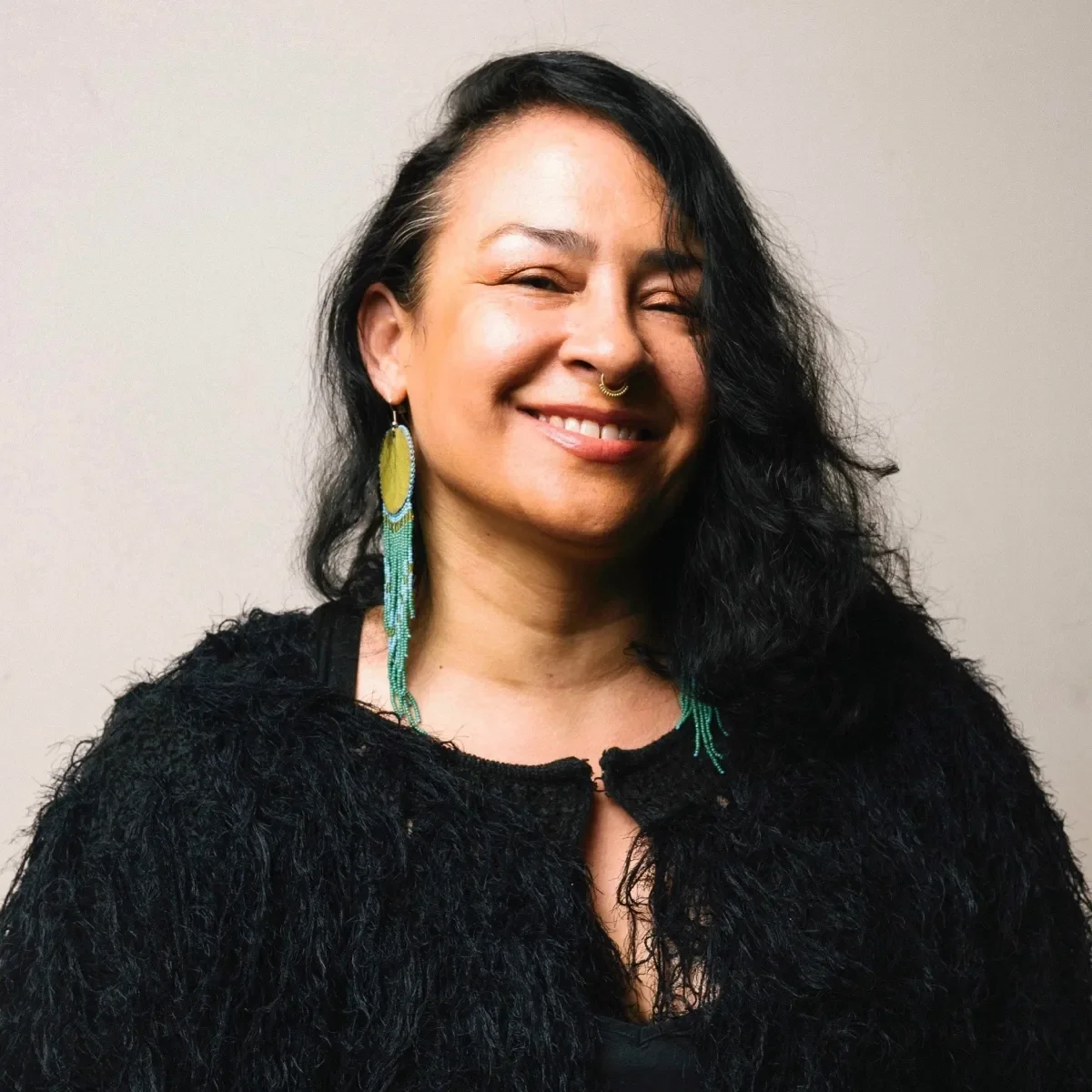
Tracey Rector
Advisory Board Member
Tracy Rector is a mixed-heritage artist whose work is rooted in the lands of Turtle Island and centers Indigenous, Black, Communities of Color, and Queer voices. Over nearly four decades, she has woven paths as a community organizer, educator, curator, filmmaker, and student of plant medicine, collaborating on more than 500 projects that honor resilience and transformation. Her films have been featured on Independent Lens, PBS, National Geographic, and ImagineNative, and screened at Sundance, Cannes, and Toronto. A co-director of 4th World Media, she supports intersectional storytellers worldwide while nurturing cultural sovereignty, justice, and collective creativity across global communities.
-
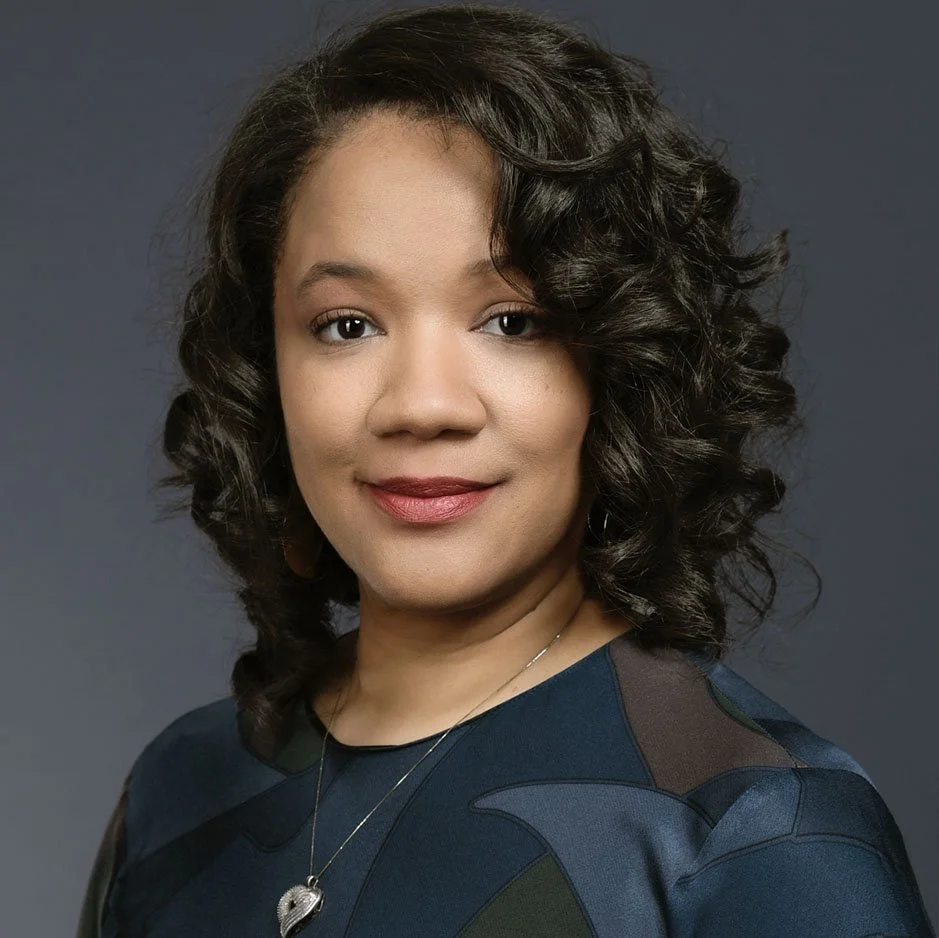
Robin Rue Simmons
Advisory Board Member
Robin Rue Simmons is the Founder and Executive Director of First Repair, a not-for-profit organization that informs local reparations, nationally. Previously, Robin was the 5th Ward Alderman for the City of Evanston, IL, when she led, in collaboration with others, the passage of the nation's first government-funded Black reparations legislation. Robin is a 2023 University of Chicago's Institute of Politics, Pritzker Fellow and a commissioner of the National African-American Reparations Commission (NAARC), a board member of the National Coalition of Blacks for Reparations in America (N'COBRA), and a board member of Evanston's Connections for the Homeless.
-
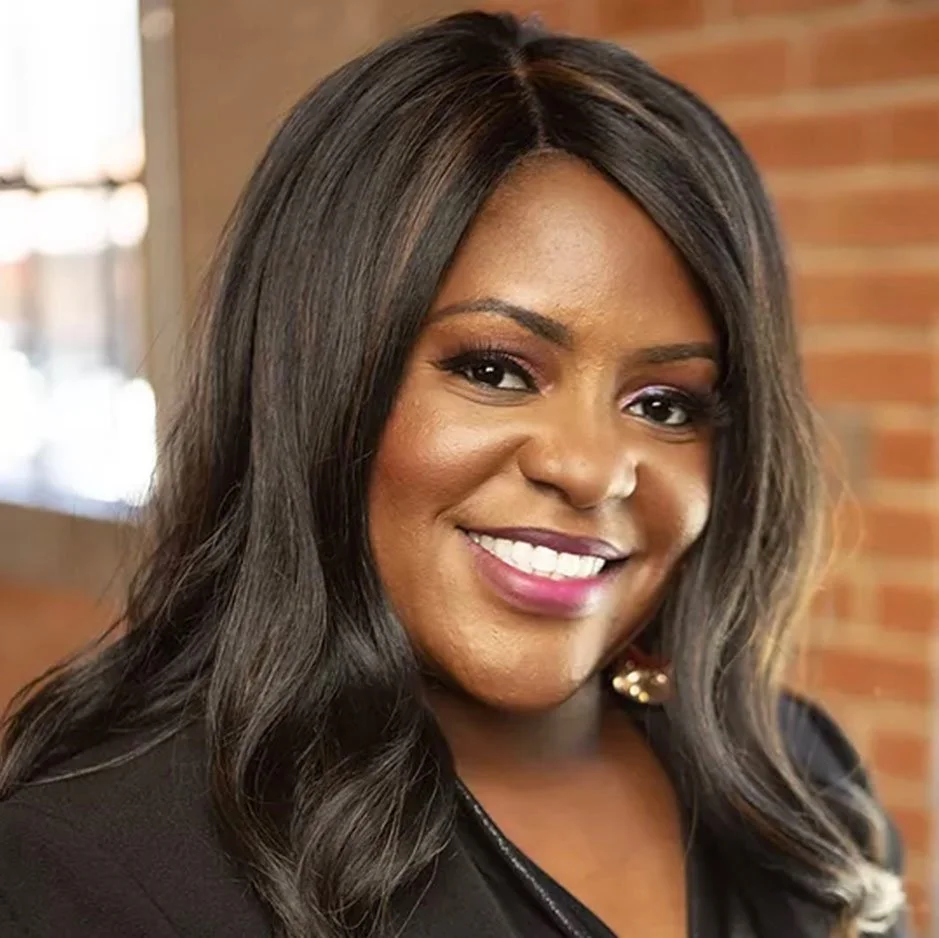
Dr. Tiffany Crutcher
Advisory Board Member
Dr. Tiffany T. Crutcher is a native of Tulsa, Oklahoma, who was thrust into the international spotlight following the death of her twin brother, Terence Crutcher, who was shot by a police officer in Tulsa, Oklahoma while holding his hands in the air. The murder of her brother compelled Tiffany to speak out against police brutality, particularly the killing of unarmed black men. She has chosen to turn her personal tragedy into an opportunity to bridge fear, mistrust, and help transform a justice system that has long perpetuated injustice dating back to the 1921 Tulsa Race Massacre where mobs of white rioters burned down her great grandmother’s prosperous community known as Black Wall Street. Dr. Crutcher has remained committed to organizing coalitions throughout the country that promote the interests of minority communities. Crutcher is the Founder and Executive Director of the Terence Crutcher Foundation, Demanding A Just Tulsa Coalition, and The Tulsa Black Mental Health Alliance. The foundation’s primary focus is criminal justice and policing reform, honoring the legacy of our ancestors, policy advocacy, and rebuilding Black Wall Street by strengthening communities.What Does Solidarity Mean to You? "Community deeply rooted together in kindness and love, with shared purpose, vision, and power."
-

Kailea Frederick
Advisory Board Member
Kailea Frederick is a mother and First Nations woman dedicated to supporting individuals of all cultures in remembering their ties to the earth. Growing up off the grid in Maui, Hawai`i forever imprinted in her the importance of reciprocity through indigenous world - view. She feels raised by wild spaces and intimately tied to Honua, our island earth.A graduate of the International Youth Initiative Program, she has in-depth training in interpersonal communication, community building across cultural and linguistic boundaries and large group facilitation. She is a Spiritual Ecology Fellow, and has served as a youth delegate twice to the United Nations Climate Change conferences (COP). Currently, Kailea offers facilitation and project consultation through her project Earth Is `Ohana and a Climate Commissioner for the city of Petaluma.
What Does Solidarity Mean to You?: "To keep moving towards each other. For each other. It is the action of keeping our hands at the backs of those who are both alike and different from us."
-

Diana Cournoyer
Advisory Board Member
Diana Cournoyer (Oglala Lakota) is a transformational leader with more than 25 years of experience advancing Indigenous education, tribal sovereignty, and community-led change. As a former leader of the National Indian Education Association (NIEA), she expanded the organization’s reach nationwide, secured millions in grant funding, and strengthened partnerships supporting Native students and communities. A Pahara Fellow, Diana has testified before Congress and serves on boards including South Dakota Education Equity (SDEEC), Black Liberation Indigenous Solidarity (BLIS), and the Green Schools National Network (GSNN). She is also a dedicated mentor to emerging Indigenous leaders working to create lasting change across education, government, and philanthropy.What Does Solidarity Mean to You?
“Solidarity means standing together in support, understanding, and shared purpose—especially in the face of adversity or injustice. It’s about recognizing our interconnectedness and committing to uplift one another, not just in words but in action.
For Native education, solidarity means advocating for policies that honor tribal sovereignty, ensuring Native students have access to culture-based learning, and amplifying Indigenous voices in all spaces. It’s about working collectively—Native nations, educators, and allies—to build systems that reflect our values, histories, and aspirations.”